


Personal Branding Creation Secrets You Need to Know to Stand Out In today's hyper-connected world, personal branding creation isn't just a buzzword-it's a necessity. Personal Branding Creation has become an essential tool for individuals looking to stand out in a crowded marketplace. Whether you're a freelancer, entrepreneur, or corporate professional, cultivating a strong personal brand [...]
How to Create a Personal Brand in 2026: The Complete Guide

In today’s hyper-connected world, personal branding creation isn’t just a buzzword-it’s a necessity. Personal Branding Creation has become an essential tool for individuals looking to stand out in a crowded marketplace. Whether you’re a freelancer, entrepreneur, or corporate professional, cultivating a strong personal brand can significantly impact your career and business opportunities.
The rise of social media and digital platforms has accelerated the growth of personal branding online. Now more than ever, people can curate and control their online presence to reflect their personal and professional values. This article delves into the nuances of Personal Branding Creation and provides a comprehensive guide to establishing a strong personal online reputation creation.
How to Create a Personal Brand: Quick Answer
How do you create a personal brand? It is the deliberate process of defining who you are professionally, building a presence you control, and shaping what people find when they search your name. In practice that means clear positioning, consistent content on the two or three platforms your audience uses, and active reputation management so the right results rank first. For a step-by-step build, see our guide to creating a personal brand in 2026.
Last updated: June 2026.
Personal Branding in India: Why Search and Privacy Now Drive It
For Indian founders, executives, doctors, lawyers, and creators, a personal brand is built and tested on Google, LinkedIn, and increasingly inside AI answers from tools like ChatGPT and Gemini. A prospective client in Mumbai, a recruiter in Bengaluru, or a journalist in Delhi will search your name, and whatever ranks becomes their first impression of you.
Two India-specific realities shape this. First, the Digital Personal Data Protection Act, 2023 gives individuals more standing to ask platforms to correct or remove personal data, which matters when old or inaccurate content is dragging down your name. Second, Indian courts have recognised a Right to be Forgotten in several cases, so outdated court records or stale news are not always permanent. Building a strong personal brand and protecting your search results are two halves of the same job: see our guide to online reputation management for the protection side, and Google itself lets you request removal of certain personal information from Search.
Understanding Personal Branding Creation
Personal branding creation is the process of creating a distinct image and identity for yourself that sets you apart from others. It’s about showcasing your unique qualities, expertise, and values in a way that resonates with your audience. A well-defined personal brand can enhance your professional reputation, increase your visibility, and open up new opportunities.
Successful personal brands often reflect authenticity and consistency. Take, for example, Elon Musk, whose brand revolves around innovation and futuristic technology, or Oprah Winfrey, who is synonymous with empathy and empowerment. Their personal brands are carefully crafted and consistently communicated across all platforms.
The components of a personal brand include your values, strengths, passions, and the message you want to convey. It’s about understanding who you are, what you stand for, and how you want to be perceived by others.
The Importance of Personal Branding Creation Online
In the digital age, personal branding creation is crucial for establishing credibility and trust. According to recent studies, 70% of employers use social media to screen candidates during the hiring process. This statistic underscores the importance of maintaining a strong online presence.
An effective online personal brand can significantly impact your career and business prospects. For instance, Gary Vaynerchuk leveraged his personal brand to build a successful digital marketing agency. His strong online presence and consistent content creation have made him a trusted voice in the industry.
To build a robust online brand, focus on creating high-quality content that reflects your expertise and values. Use social media platforms to engage with your audience, share insights, and establish yourself as a thought leader in your field.
Steps to Create Your Personal Brand
Self-Assessment
The first step in personal branding creation is self-assessment. Identifying your strengths, passions, and values is crucial for developing a brand that is both authentic and compelling. Conducting a personal SWOT analysis (Strengths, Weaknesses, Opportunities, Threats) can provide valuable insights into your unique attributes and areas for improvement.
Self-awareness plays a vital role in personal branding creation. By understanding your strengths and limitations, you can create a brand that aligns with your true self, making it easier to communicate your message effectively.
Conducting a Personal SWOT Analysis
A personal SWOT analysis is a strategic planning tool used to identify your Strengths, Weaknesses, Opportunities, and Threats. This analysis helps you gain a comprehensive understanding of your internal and external environment.
- Strengths: What are your unique talents and capabilities?
- Weaknesses: What areas do you need to improve?
- Opportunities: What external factors can you leverage to your advantage?
- Threats: What external challenges might you face?
Example:
- Strengths: Strong communication skills, expertise in digital marketing, and a broad professional network.
- Weaknesses: Limited experience with public speaking, difficulty managing time effectively.
- Opportunities: Growing demand for digital marketing experts, potential for online courses or webinars.
- Threats: Rapid changes in digital marketing trends, increasing competition in the industry.
Define Your Unique Value Proposition
A Unique Value Proposition (UVP) is a statement that clearly articulates the unique benefits you offer to your audience. It’s what sets you apart from others and highlights why someone should choose you over the competition. To define your UVP, consider what makes you unique, the value you bring, and how you solve problems for your audience.
For example, if you are a marketing consultant specializing in social media strategy for small businesses, your UVP might be: “Helping small businesses amplify their online presence and drive growth through innovative social media strategies.”
Questions for Self-Assessment
Here are some questions to guide your self-assessment process:
- What are my top three strengths, and how can I leverage them in my personal brand?
- What am I most passionate about, and how can I incorporate this passion into my brand?
- What values are most important to me, and how do they influence my professional decisions?
- What are my biggest weaknesses, and how can I address them to strengthen my brand?
- What external opportunities can I take advantage of to grow my personal brand?
- What external threats do I need to be aware of, and how can I mitigate them?
Target Audience Identification
Knowing your target audience is crucial for personal branding creation. Your audience influences the tone, style, and content of your brand. To identify and understand your target audience, use tools like surveys, social media analytics, and market research.
Understanding your audience’s needs, preferences, and pain points allows you to create content that resonates and engages. This targeted approach helps build a loyal following and enhances your brand’s credibility.
Building Your Personal Brand Online
Creating a Professional Online Presence
Your online presence is the cornerstone of personal branding creation online. Start by creating a professional personal website that showcases your expertise, achievements, and personality. Include a blog to share your insights and engage with your audience.
Optimizing your website for search engines (SEO) ensures that your content reaches a wider audience. Use relevant keywords, including “personal branding creation,” to improve your site’s visibility and attract organic traffic.
Social Media Strategy
Social media platforms are powerful tools for personal branding creation. Choose platforms that align with your brand and where your audience is most active. LinkedIn is ideal for professional networking, while Instagram and Twitter can be used for more casual and visual content.
Develop a consistent posting schedule and share a mix of original content, curated articles, and interactive posts. Engage with your followers by responding to comments, participating in discussions, and sharing your thoughts on trending topics.
LinkedIn: The Professional Network
LinkedIn is a powerful tool for professional networking and personal branding creation. Here’s how to make the most of it.
Profile Optimization
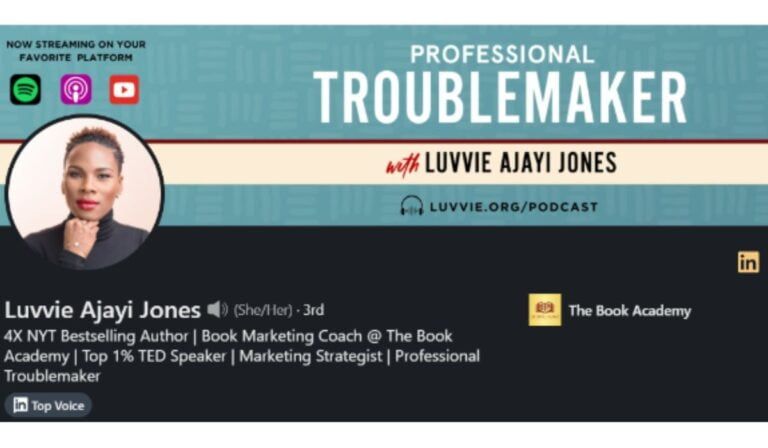
- Headline Hack: Use a headline that not only states your current position but also includes keywords related to your skills and industry. Example: “Digital Marketing Strategist | SEO Expert | Content Creator Helping Brands Grow Online”
- Custom URL: Create a custom LinkedIn URL to make your profile more memorable and easier to share.
Content Strategy
- Long-Form Posts: Share detailed articles or thought leadership pieces on LinkedIn Pulse. This helps establish you as an expert in your field.
- Document Posts: Upload documents like PDFs and slides to showcase your work, case studies, or research findings. This format is highly engaging and underutilized.
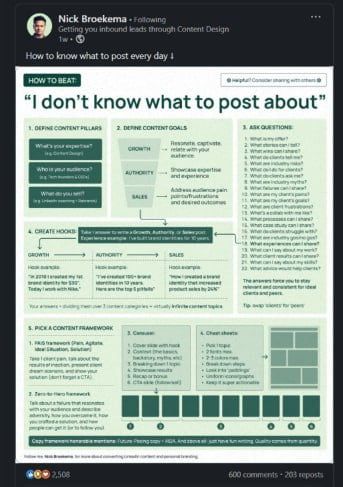
- Interactive Polls: Use LinkedIn’s poll feature to engage your audience and gather insights on industry trends or challenges.
Engagement
- Commenting Strategy: Regularly comment on posts by industry leaders. Add value to the conversation by sharing your insights or additional information.
- Personalized Connection Requests: When sending connection requests, personalize your message to explain why you want to connect. Mention a common interest or a specific reason.
Twitter: The Conversation Starter
Twitter is ideal for sharing quick updates, engaging in discussions, and building a following. Here’s how to use it effectively:
Profile Optimization
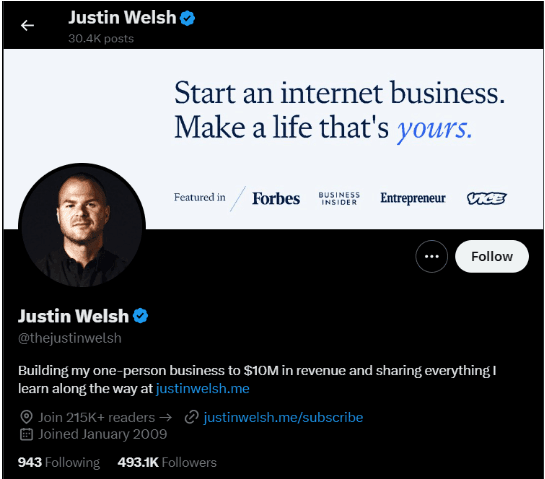
- Pinnable Tweet: Pin a tweet that showcases your most valuable content or recent achievement. This gives visitors a quick snapshot of your expertise.
- Bio Keywords: Include keywords in your bio that potential followers might search for. This increases your visibility in search results.
Content Strategy
- Thread Magic: Use Twitter threads to share detailed insights, tips, or a series of related thoughts. Threads often get more engagement than single tweets.
- Visual Tweets: Include images, GIFs, or videos in your tweets. Visual content is more likely to catch the eye and engage users.
- Hashtag Mastery: Research and use relevant hashtags to reach a broader audience. Tools like Hashtagify can help identify trending and relevant hashtags.
Engagement
- Real-Time Engagement: Participate in Twitter chats and live tweet during industry events or webinars. This positions you as an active and engaged member of your community.
- List Utilization: Create and follow Twitter lists of industry leaders, competitors, and potential clients to streamline your engagement and stay updated on relevant discussions.
Instagram: The Visual Storyteller
Instagram is perfect for building a visual and relatable personal brand. Here’s how to use it effectively:
Profile Optimization
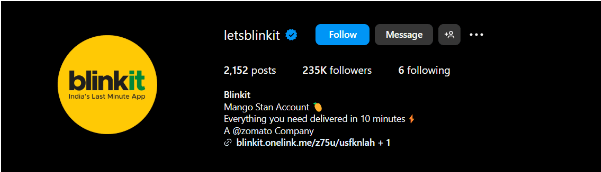
- Clickable Bio: Use your bio link wisely by directing followers to a landing page that includes multiple links (use tools like Linktree).
- Highlight Reels: Use Instagram Highlights to categorize and showcase your best stories, achievements, and important content.
Content Strategy
- Behind-the-Scenes: Share behind-the-scenes content to give your audience a glimpse into your daily life and work process. This builds a deeper connection.
- IGTV Series: Create an IGTV series on topics related to your expertise. Regularly posting episodes can keep your audience engaged and coming back for more.
- User-Generated Content: Encourage your followers to share their experiences with your brand or services and feature their content on your profile.
Engagement
- Interactive Stories: Use Instagram Stories to run polls, ask questions, and share quizzes. This encourages interaction and makes your profile more engaging.
- Direct Messaging: Build relationships by directly messaging new followers, thanking them, and starting conversations. Personalized engagement can turn followers into advocates.
YouTube: The Video Hub
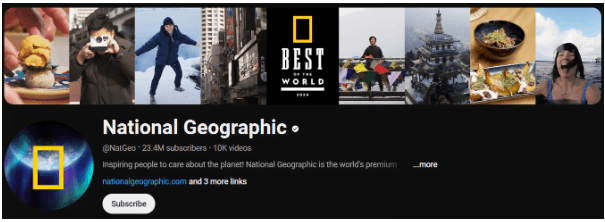
YouTube is a powerful platform for sharing in-depth content and tutorials. Here’s how to maximize its potential:
Channel Optimization
- Branded Channel Art: Use professional channel art that reflects your brand’s identity and includes a call to action or slogan.
- SEO-Friendly Descriptions: Write detailed video descriptions with keywords and timestamps. This improves your video’s searchability.
Content Strategy
- Educational Series: Create a series of educational videos that provide in-depth knowledge on specific topics. This can position you as a thought leader.
- Behind-the-Scenes Vlogs: Share vlogs that show the behind-the-scenes of your projects or day-to-day activities. This adds a personal touch to your brand.
- Collaborative Videos: Partner with other YouTubers or industry experts to create collaborative content. This can introduce you to new audiences.
Engagement
- Community Tab: Use the Community Tab to post updates, polls, and engage with your audience outside of video content.
- Engage with Comments: Regularly respond to comments on your videos. Show appreciation for positive feedback and address any questions or concerns.
Facebook: The Versatile Platform

Facebook offers various ways to connect with your audience and build your personal brand. Here’s how to leverage it effectively:
Profile Optimization
- Professional Page: Create a professional page rather than using a personal profile. This allows for more features and analytics.
- Call-to-Action Button: Use the call-to-action button to drive traffic to your website, a lead magnet, or a specific campaign.
Content Strategy
- Long-Form Posts: Share long-form posts that provide in-depth insights or personal stories. These tend to get more engagement on Facebook.
- Facebook Groups: Create or participate in Facebook Groups related to your niche. This allows for deeper engagement and community building.
- Live Videos: Use Facebook Live to host Q&A sessions, webinars, or behind-the-scenes tours.
Engagement
- Comment Engagement: Engage with comments on your posts to foster a sense of community and show that you value your audience’s input.
- Event Creation: Create and promote events (virtual or in-person) to engage your audience and expand your reach.
Content Marketing
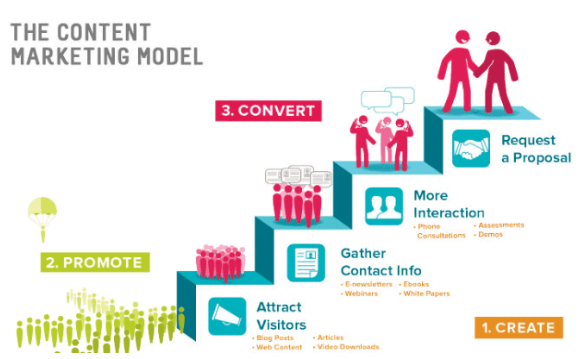
Content marketing is a critical component of personal branding creation online. Creating valuable and relevant content positions you as an authority in your field. Blogs, videos, podcasts, and infographics are effective ways to share your knowledge and connect with your audience.
Develop a content calendar to plan and organize your content. This ensures consistency and helps you stay on track with your personal branding goals.
Managing Your Personal Online Reputation
Online Reputation Management (ORM)
Online Reputation Management (ORM) involves monitoring and influencing how you are perceived online. It’s essential for maintaining a positive image and building trust with your audience. Use tools like Google Alerts, social media monitoring tools, and review management platforms to keep track of mentions and feedback.
Proactively managing your online reputation helps you address negative comments and reviews promptly. Responding professionally and constructively to criticism can turn negative experiences into positive opportunities.
If negative or outdated results already rank for your name, a focused online reputation management programme and suppression for personal branding push them down with stronger, positive content. In India, you can also ask Google to remove certain personal information from Search, and the Digital Personal Data Protection Act, 2023 adds further leverage.
Handling Negative Feedback and Criticism
Negative feedback is inevitable, but how you handle it can make a significant difference. Responding calmly and respectfully demonstrates professionalism and a commitment to improving. Use negative feedback as a learning opportunity to refine your personal brand and address any weaknesses.
Maintaining a positive online image requires transparency and authenticity. Share your successes and challenges to create a relatable and trustworthy brand.
Networking and Community Building
Building and Nurturing Relationships
Networking is a vital aspect of personal branding creation. Building meaningful connections can lead to new opportunities, collaborations, and support. Engage with your network by attending events, participating in online communities, and reaching out to influencers in your field.
Nurturing relationships involves consistent communication and providing value to your connections. Share insights, offer assistance, and show genuine interest in others’ success.
Collaborations and Partnerships
Collaborations and partnerships can enhance your personal brand by expanding your reach and credibility. Identify potential collaborators who align with your brand values and goals. Approach them with a clear proposal that outlines mutual benefits and potential outcomes.
Successful collaborations often result in increased visibility, new opportunities, and a stronger personal brand. Look for opportunities to co-create content, host joint events, or engage in cross-promotion.
Measuring and Evolving Your Personal Brand
Metrics to Track
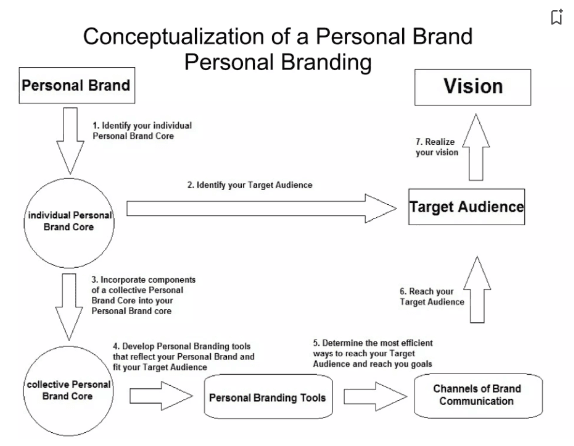
To ensure the effectiveness and growth of your personal brand, it’s crucial to regularly measure your progress and adapt to changes. This process involves tracking key performance indicators (KPIs), analyzing your brand’s impact, and continuously improving your strategy to stay relevant and engaging.
Tracking the right metrics allows you to assess the success of your personal branding creation efforts and identify areas for improvement. Here are some uncommon yet valuable KPIs to consider:
- Engagement Rate:
- Definition: The ratio of interactions (likes, comments, shares) to your total number of followers or impressions.
- Why It Matters: High engagement indicates that your content resonates with your audience and encourages interaction.
- Share of Voice:
- Definition: The percentage of conversations in your industry or niche that mention you compared to competitors.
- Why It Matters: It helps you understand your brand’s visibility and influence within your industry.
- Brand Sentiment:
- Definition: The overall sentiment (positive, negative, neutral) expressed in online mentions and discussions about your brand.
- Why It Matters: Sentiment analysis provides insights into how your audience perceives your brand and helps you manage your reputation.
- Conversion Rate:
- Definition: The percentage of visitors or followers who take a desired action (e.g., signing up for a newsletter, downloading a resource).
- Why It Matters: High conversion rates indicate that your content and calls-to-action are effective in driving desired outcomes.
- Influencer Score:
- Definition: A measure of your influence based on factors like follower count, engagement rate, and the quality of your network.
- Why It Matters: It helps you gauge your impact and reach within your niche or industry.
Tools to Measure Your Brand’s Performance
Using the right tools can simplify the process of tracking and analyzing your brand metrics. Here are some uncommon tools that can provide valuable insights:
- BrandMentions (https://brandmentions.com/) :
- Features: Comprehensive social media listening and analytics.
- Benefits: Offers detailed sentiment analysis and competitive benchmarking.
- BuzzSumo (https://buzzsumo.com/) :
- Features: Content analysis and social media monitoring.
- Benefits: Identifies top-performing content and key influencers in your industry.
- Sprout Social (https://sproutsocial.com/) :
- Features: Social media management and analytics.
- Benefits: Provides engagement metrics, content performance analysis, and audience insights.
- Google Analytics (https://marketingplatform.google.com/about/analytics/) :
- Features: Website traffic analysis and user behavior tracking.
- Benefits: Helps you understand visitor demographics, behavior, and conversion rates.
- Moz (https://moz.com/) :
- Features: SEO and online visibility tracking.
- Benefits: Monitors your search engine rankings and website authority.
Continuous Improvement
Personal branding creation is an ongoing process that requires continuous improvement. Stay relevant and adaptable by keeping up with industry trends, learning new skills, and seeking feedback from your audience. Regularly update your content, refresh your online presence, and explore new ways to engage with your audience.
Importance of Staying Relevant and Adaptable
- Evolving Industry Trends:
- Action: Stay updated on the latest trends and developments in your industry.
- Benefit: Adapting to new trends ensures your brand remains current and valuable to your audience.
- Learning New Skills:
- Action: Invest in continuous learning through courses, workshops, and reading.
- Benefit: Expanding your skill set enhances your expertise and keeps your brand competitive.
- Networking and Collaboration:
- Action: Build relationships with industry leaders, influencers, and peers.
- Benefit: Collaborations can introduce you to new audiences and provide fresh perspectives on your branding efforts.
How to Keep Your Personal Brand Fresh and Engaging
- Content Refresh:
- Action: Regularly update and repurpose your content to keep it relevant and engaging.
- Benefit: Fresh content attracts new followers and keeps existing ones interested.
- Audience Engagement:
- Action: Actively engage with your audience through comments, messages, and interactive content.
- Benefit: Building a strong connection with your audience fosters loyalty and trust.
- Personal Development:
- Action: Focus on personal growth by setting new challenges and goals for yourself.
- Benefit: Personal development reflects positively on your brand and inspires your audience.
Tips for Lifelong Learning and Growth
- Attend Industry Events:
- Action: Participate in conferences, webinars, and workshops.
- Benefit: Gaining insights from experts and networking with peers keeps you informed and inspired.
- Read Widely:
- Action: Stay informed by reading books, articles, and research papers related to your field.
- Benefit: Broadening your knowledge base helps you stay ahead of industry trends and innovations.
- Seek Mentorship:
- Action: Find mentors who can provide guidance and support in your professional journey.
- Benefit: Mentorship accelerates your learning and provides valuable feedback on your branding efforts.
Personal Branding Creation FAQs
Start with positioning. Get clear on who you help, the outcome you create, and the one thing you want to be known for. Your platforms, content, and visuals should all flow from that single statement.
Most people see early traction, such as profile growth and inbound messages, within a few months of consistent posting. Real authority and a clean first page of Google for your name usually take one to two years of steady effort.
Pick where your audience already is. For most Indian founders and professionals that is LinkedIn, often paired with X or Instagram. It is better to be consistent on two platforms than absent across five.
Personal branding is what you actively build and publish. Reputation management is controlling what shows up when people search your name. You need both: build the positive, and manage or suppress anything that contradicts it.
Yes. A single negative article, old record, or fake profile on page one can undo months of branding work. In India you can use the Right to be Forgotten and the IT Rules 2021 to request removal, and suppression to push the rest down.
Curious what your name shows in Google today? FameNinja will run a free reputation audit of your search results, profiles, and mentions, and show you exactly what to amplify and what to fix as you build your personal brand. Fill in the form below and we will get to work.
Final Thoughts
Personal branding creation is a powerful tool for establishing your identity, building credibility, and opening up new opportunities. In the digital age, a strong online presence is crucial for success. By following the steps outlined in this article, you can create a compelling personal brand that resonates with your audience and sets you apart from the competition.
Start your personal branding creation online journey today by implementing these strategies and continuously refining your approach. Remember, your personal brand is an ongoing project that evolves with you. Embrace the process and enjoy the journey of personal branding creation online.
And if there is damage to undo first, our reputation repair service resets the foundation before you build.