

You are weighing whether a Forbes feature is worth the time, the pitching, and the money. Maybe a vendor has quoted you a number. Maybe a peer just landed one, and now their LinkedIn says “As Featured in Forbes” and you are wondering what that actually bought them. It is a fair question, and most of the articles answering it are written by people selling the placement.
This one is not. The benefits of being featured on Forbes are real, but they are specific, and they depend heavily on which Forbes you end up in and what you do afterwards. Below is an honest account of what the feature gives you, what it does not, and how to make sure it earns its keep rather than sitting as a vanity badge.
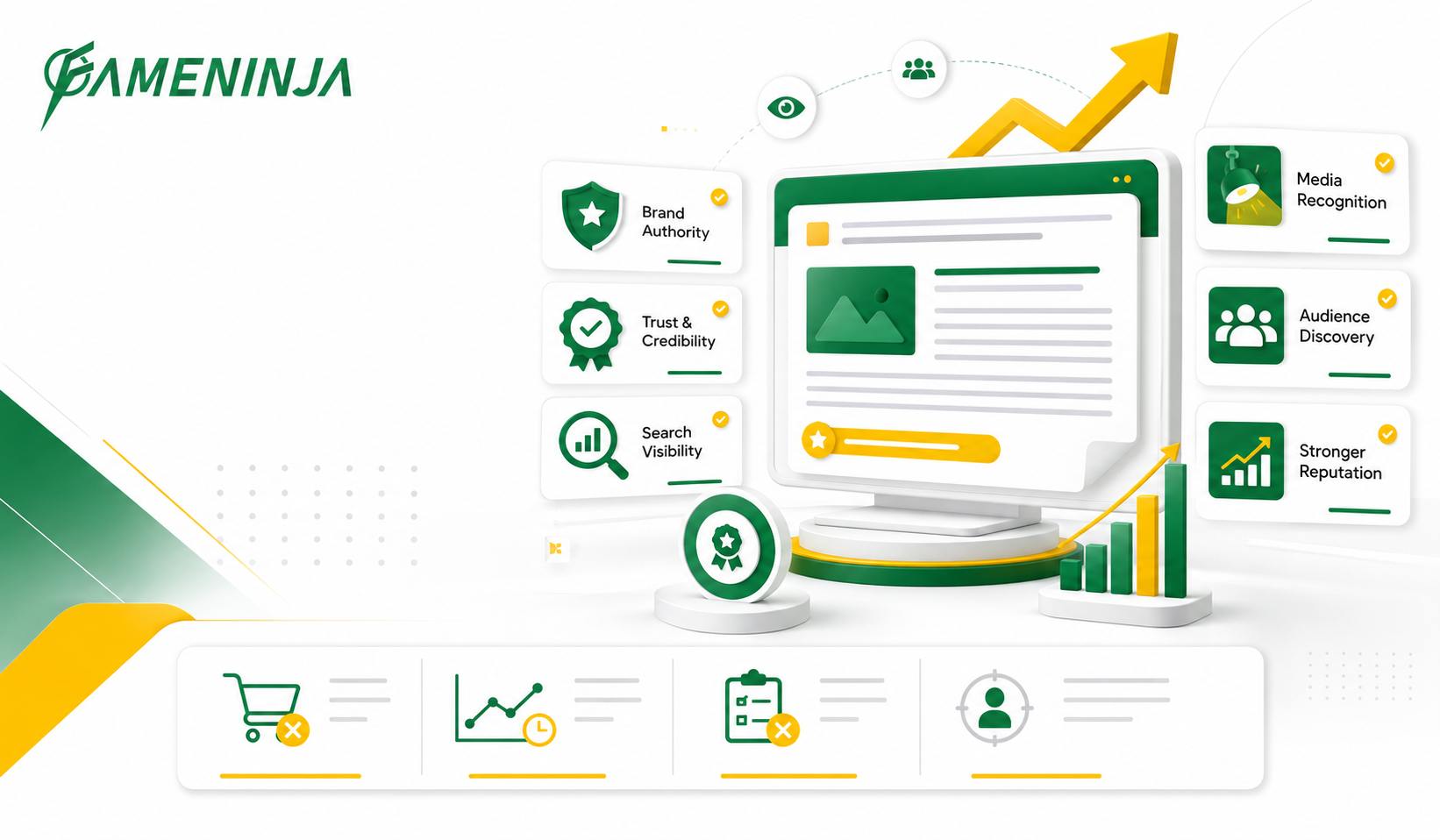
Quick answer: The main benefits of being featured on Forbes are third-party credibility, a high-authority backlink that lifts your search presence, stronger investor and partner confidence during due diligence, and a durable “as featured in” asset for sales. The catch: a feature is a credibility multiplier, not a demand engine. It rarely moves revenue on its own, and a labelled member post carries less weight than editorial.
What a Forbes feature actually signals
Strip away the prestige, and a Forbes feature does one core thing. It transfers trust. A third party that people already respect has put your name in print, and readers borrow that respect when they assess you.
That is the whole mechanism. It is why the benefit is real but indirect. The feature does not sell your product. It changes how people feel about you in the seconds before they decide whether to take you seriously, and those seconds happen during the moments that matter most: a customer checking you out, an investor running diligence, a journalist deciding whether to quote you. Understanding that mechanism is what separates people who get value from a feature and people who just frame it.
The real benefits of being featured on Forbes
Instant credibility and third-party trust
This is the headline benefit. Consumers and B2B buyers are sceptical of self-promotion and far more persuaded by what an independent outlet says about you. A Forbes byline tells a prospect, an investor, or a partner that someone outside your own marketing team judged your story worth telling. For a founder nobody has heard of, that shortcut to trust is hard to buy any other way.
A high-authority backlink and lasting search presence
Forbes is one of the strongest domains on the web, with an Ahrefs Domain Rating in the mid-90s and well over a hundred million monthly visitors. A genuine editorial link from forbes.com passes real authority to your site and helps your own name and brand rank better over time. Because the article stays live for years, this is an evergreen benefit. It keeps working long after the publish date, quietly shaping what people find when they search you.
Investor and due diligence confidence
When an investor researches you before a meeting, what they find sets the tone. A Forbes feature surfacing during diligence signals legitimacy at exactly the moment scrutiny is highest. Founders often report that fundraising conversations feel warmer once credible coverage exists, because the investor has already formed a positive first impression before the call begins. The feature does not raise the round. It removes friction from the people who do.
Sales support: the “as featured in Forbes” effect
A Forbes mention becomes a conversion aid you can place on your homepage, in pitch decks, and in press kits. The line “As Featured in Forbes” reassures a hesitant buyer that you are an established name, not a risk. Be honest with yourself about what this is, though. It is a trust signal that helps close deals already in motion. It is not a lead generator that fills your pipeline. Treat it as a closer, not an opener.
One caution here. You can truthfully cite a real editorial feature, but be careful not to imply Forbes endorses your product or to dress up a paid or member post as independent coverage. The line between accurate and misleading matters, and the FTC’s endorsement guidance is worth a read before you splash a badge across your site.
Talent, partnerships, and speaking invitations
Credibility compounds. Senior candidates research a company before they join, and recognised coverage signals the kind of legitimacy that attracts better people. Event organisers and potential partners use media coverage as a vetting shortcut, too. A Forbes feature often produces a quiet trickle of inbound interest: a speaking invite, a partnership enquiry, a recruiter’s attention. None of it is guaranteed, but each becomes more likely once the feature exists.
A durable, evergreen asset
Unlike an ad that vanishes when the budget stops, a Forbes article stays online and keeps doing its job. Years later, it still appears when someone searches you, still anchors your credibility, still sits in your press kit. Few marketing assets have that kind of shelf life, and that longevity is a real part of the value.
Reputation defence: positive coverage that helps crowd out the negative
Here is a benefit most listicles miss. A strong, authoritative page about you is also a defensive asset. When something unflattering ranks for your name, credible positive coverage gives you material to help push the weaker result further down. This is where a feature connects to reputation work more broadly. If managing what shows up for your name is the real goal, a Forbes piece is one tool among several, and a good ORM management company in India will treat it that way rather than as a magic fix.
The benefit depends on which Forbes
This is the part the sellers skip, and it changes everything. There are several ways your name appears on Forbes, and they do not carry equal weight.
A staff-written editorial feature is the gold standard, with no paid label and full independence. A Council post is published by a paying member and tagged as such. A BrandVoice piece is sponsored content, labelled as a paid program, and governed as advertising under the FTC’s native advertising rules. A regional-edition article carries the Forbes brand and domain but is a separate editorial pipeline from Forbes US.
All of them sit on forbes.com, and all carry some benefit. But an informed investor or journalist reads the label. My honest view: the most common mistake people make is overstating a member or sponsored post as if it were an editorial feature. Sophisticated audiences notice, and the credibility you were buying quietly evaporates. Claim exactly what you have, and it holds up.
What a Forbes feature will not do
Set expectations honestly, because this is where disappointment comes from.
It will not generate demand on its own. A feature supports conversion; it does not replace a real marketing and sales engine. It will not fix a weak product or a thin story. The credibility transfers, but the moment a prospect engages with the actual offering, the feature stops carrying you. It will not keep paying off if you ignore it. Brands that publish the feature and move on capture a fraction of the value of brands that deploy it everywhere. And it will not survive misuse. Overclaiming what you have, or implying an endorsement you did not earn, does more damage than the feature was worth.
The honest summary: a Forbes feature is a credibility multiplier. If you have something real to multiply, it is powerful. If you do not, it is an expensive badge.
How to get the most benefit from a Forbes feature
The feature is the start, not the finish. Treat it as raw material.
Add it to your homepage and a press or media-mentions strip. Put it in your investor deck and sales collateral. Repurpose it across LinkedIn and other channels over the following weeks rather than posting once. Link to it from your own content. If the placement came through a structured route such as PR on Forbes, plan the amplification before the article even goes live, so the coverage feeds months of activity instead of a single day of applause.
The India view: Forbes India and regional credibility
For founders in Mumbai, Bengaluru, Delhi, or Dubai, the benefits look slightly different. Forbes India and Forbes Middle East are respected in their own right, and for an Indian audience, a Forbes India feature can carry more local relevance than a Forbes US piece that your buyers may never see. The credibility, the search benefit, and the investor signal all still apply.
Pricing and routes in India are quoted locally and vary widely, which is why a clear plan matters more than chasing the badge. Structured press release services in India can be one path to building a credible media footprint, provided you are honest about which coverage is earned and which is sponsored. The benefit is real either way, as long as you do not overstate it.
So is it worth the cost?
That depends on your goal and your honesty about it. If you have a genuine story, a product that holds up, and a plan to deploy the coverage, the credibility, search, and trust benefits usually justify the spend. If you are chasing a badge with nothing behind it, you will pay for a logo on your website and little else.
Weigh the benefit against the real numbers before you commit. We broke down every route and its price in our guide to the cost to get on Forbes, which pairs directly with this page. Read both, then decide with eyes open.
The benefits at a glance
Here is the short version you can keep. A Forbes feature gives you third-party credibility, a high-authority backlink and durable search presence, stronger investor and due diligence confidence, an “as featured in” conversion aid, and a slow trickle of talent, partnership, and speaking interest. It is evergreen, and it doubles as reputation defence. What it does not do is generate demand by itself, fix a weak offering, or keep working if you ignore it. The value is real, indirect, and entirely dependent on whether the coverage is genuine and whether you deploy it.
An illustrative example
A composite to show the difference the deployment makes. Two founders each land a Forbes feature. The first adds it to her homepage, her deck, and her LinkedIn, references it in investor conversations, and repurposes it for a month. By the time she raises, the coverage has done quiet work in every room she walks into. The second frames him and moves on. Same publication, very different return. The feature was identical. What they did with it was not. (This example is illustrative and not a specific client.)
Message us on WhatsApp or book a confidential consultation, and we will give you a straight read.
FAQ
What are the main benefits of being featured on Forbes?
The core benefits are third-party credibility, a high-authority backlink that improves your search presence, stronger investor and partner confidence during due diligence, and a durable “as featured in” asset for sales and bios. The feature builds trust at the moments that matter most rather than directly generating sales.
Does a Forbes feature actually help SEO?
Yes, when it is a genuine editorial link. Forbes is among the highest-authority domains on the web, so a real link passes meaningful authority to your site and helps your name and brand rank over time. The article stays live for years, which makes the benefit evergreen.
Will being featured on Forbes increase sales?
Indirectly. A feature is a strong trust signal that helps close deals already in motion and reassures hesitant buyers, but it does not generate demand on its own. Treat it as a closer that supports your sales engine, not as a replacement for one.
Is a Forbes Council post as valuable as an editorial feature?
No. A staff-written editorial feature carries the most weight because it is independent and unlabelled. A Council post is member content published under a visible tag, and a BrandVoice piece is labelled sponsored content. All carry some benefit, but informed audiences read the label, so claim exactly what you have.
Can I say “As Featured in Forbes” on my website?
If you have a genuine Forbes feature, you can reference it truthfully. Be careful not to imply Forbes endorses your product, or to present a paid or member post as independent editorial coverage, as that can mislead readers and run into advertising-disclosure territory.
How long does the benefit of a Forbes feature last?
A Forbes article stays online indefinitely, so the credibility and search benefits are evergreen and keep working long after publication. The trust signal in your press kit and decks does not expire either, as long as the coverage remains accurate and live.
Is being featured on Forbes worth the cost?
It is worth it when you have a real story, a product that holds up, and a plan to deploy the coverage across your site, decks, and channels. If there is nothing behind the badge, they spend a logo and a little more. Weigh the benefit against the specific route cost before committing.
Do the benefits apply to Forbes India and regional editions?
Yes. Forbes India and other regional editions carry the Forbes brand, domain authority, and credibility, and for a local audience, a regional feature can be more relevant than a Forbes US piece. The credibility, SEO, and investor-signal benefits all still apply.
Decide it with the full picture
If you are weighing a Forbes feature against a quote in your inbox, the smartest move is to look at the benefits and the costs side by side, honestly. We will tell you which route fits your story, what the coverage will realistically do for you, and where the spend is justified versus where it is vanity. No pitch, no pressure.