
Your business’s online reputation is one of the most valuable assets you have. It affects how customers perceive you, how much they trust you, and whether they choose you over your competitors. In the digital economy, first impressions usually happen online, and once they form, they are hard to reverse.
A single negative review, a misleading article, or a customer complaint on social media can impact sales and shift public perception quickly. This is why many businesses rely on tools for ORM, which help them monitor conversations, analyze feedback, manage reviews, and strengthen the brand image people see online.
This guide breaks down why ORM matters, how it works, and how to choose the best tools for ORM based on your business needs.
The truth is simple. Your brand is heavily influenced by what people find when they search for you on Google. Customers, investors, job seekers, and partners all rely on online information before making decisions. If what they find is inaccurate, outdated, or negative, it can harm your growth.
ORM tools help you take control of this narrative by providing insight into customer sentiment, brand mentions, and overall reputation across the internet.
Seeing consistent positive reviews, an active online presence, and professional brand responses immediately signals credibility. When people see your company engaging thoughtfully with customers, they feel reassured.
ORM Tools Detect Problems Before They Grow
Most reputation issues begin quietly. A single review or customer complaint can grow into a widespread perception if ignored. ORM tools offer early warnings by monitoring conversations and providing alerts when sentiment shifts.
ORM Tools Strengthen Your Brand Story
Your brand story is a combination of what you say and what others say. ORM tools help bring forward positive press, testimonials, and customer success stories so they show up prominently in search results.
ORM Tools Protect Against Competitive Interference
Competitors sometimes attempt to damage a brand through misleading reviews or negative content. With ORM tools for reputation monitoring, you can identify such patterns early and respond appropriately.
Online reputation management is not just about solving problems. It is also about proactively shaping a strong, trusted, and consistent public image.
ORM tools operate across several layers. Some monitor mentions, others analyze sentiment, and some manage the search presence of your business. Combined, they create a complete ecosystem that protects and strengthens your brand.
Below is a deeper explanation of how these tools support your reputation.
Brand monitoring tools play the role of your digital eyes and ears. These are some of the most essential ORM tools to track brand mentions online. They scan social media, news sites, forums, blogs, review platforms, and even podcasts to help you understand how your business is being discussed.
Detailed monitoring tools allow you to see:
Many companies use these tools to analyze online reputation patterns and identify communication opportunities they would otherwise miss.
Online reviews significantly impact buying decisions, especially for local businesses, eCommerce, and service companies. Having the best tools for ORM helps you manage these reviews from one place and stay consistently engaged.
Review management tools help you:
Customers pay close attention to how a business responds, not just what reviews say. Thoughtful, timely engagement is a powerful trust builder.
Search engine results form the backbone of your digital reputation. When people search your name, the first page of Google holds a lot of power. ORM tools help you influence what appears there.
These tools assist with:
Maintaining control over your search presence ensures your brand is represented accurately.
Social media conversations happen in real time and spread quickly. This is where ORM tools for reputation monitoring become essential. They help you manage comments, mentions, direct messages, and customer discussions across platforms.
Social media ORM tools help with:
Social media reputation plays a major role in shaping long term brand credibility.
A brand crisis rarely begins loudly. It often starts with a sudden increase in negative mentions or an unexpected blog post gaining attention. ORM tools provide alerts and real time notifications so you can act before issues escalate.
Crisis management features help you:
The earlier you detect an issue, the easier it is to contain and correct.
Below is a detailed look at some of the top ORM tools for companies today. These platforms are widely used because they deliver strong insights, help manage customer relationships, and offer effective reputation monitoring.
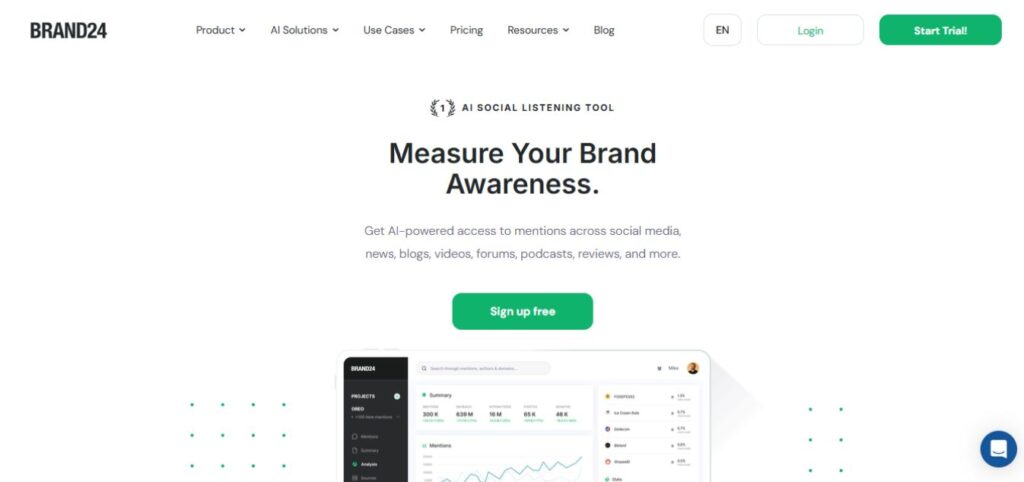
Brand24 is a real-time brand monitoring tool that tracks online conversations about your business, helping you manage your reputation before issues escalate.
Website: Brand24
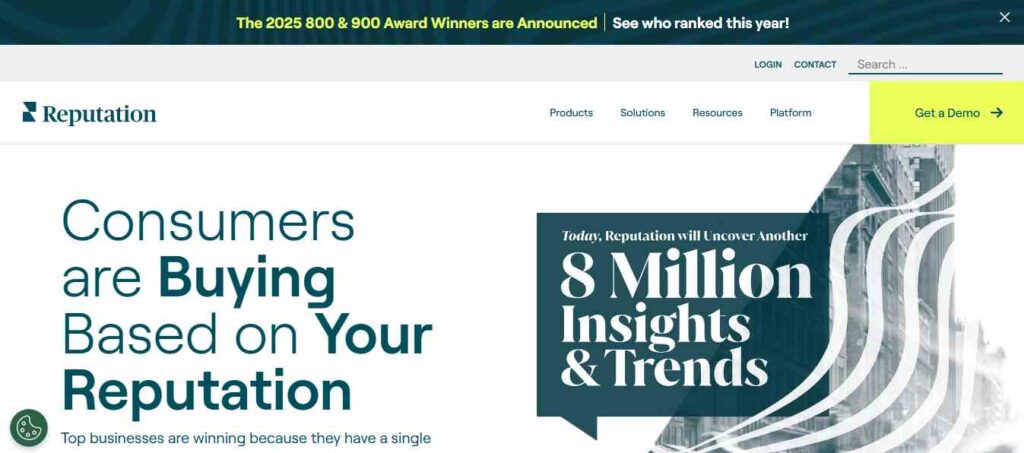
Reputation.com helps businesses manage online reviews, customer feedback, and brand perception across multiple locations and platforms.
Website: Reputation.com
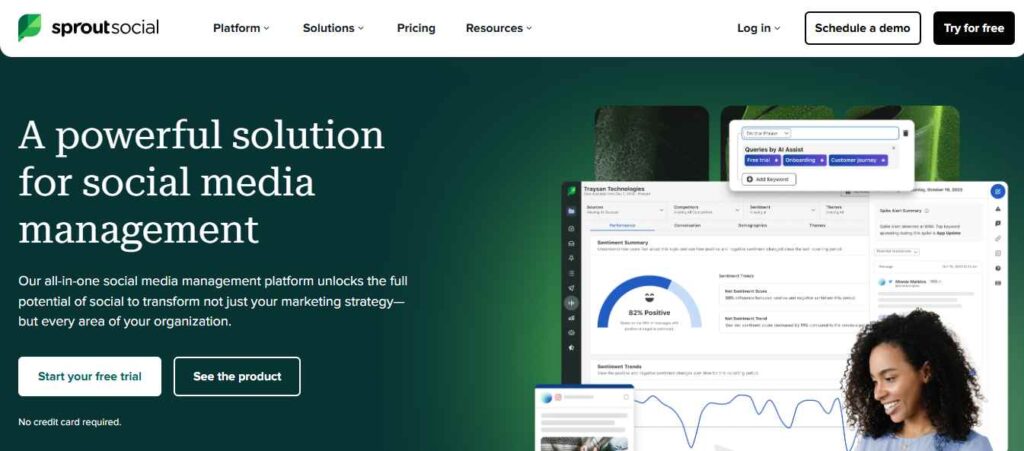
Sprout Social is a social media ORM tool that helps businesses track brand mentions, manage engagement, and analyze audience sentiment.
Website: Sprout Social
Trustpilot is a customer review platform that helps businesses build trust through transparent, verified reviews.
Website: Trustpilot
Before selecting an ORM tool, consider your goals and the platforms that affect your brand the most.
Here are helpful guidelines:
Many businesses use a combination of tools for ORM to cover every area effectively.
You may need ORM tools even if your business seems stable. Watch for these early signs:
These signs indicate that ORM tools could help stabilize and strengthen your reputation.
ORM is the practice of monitoring, analyzing, and influencing your brand’s online presence through tools, strategy, content, and customer engagement.
Yes. Small businesses often feel the impact of negative feedback more dramatically than larger companies.
They cannot remove content directly, but they can help improve visibility of positive material and reduce the impact of negative links.
Yes. Many ORM practices, such as content creation and review generation, contribute directly to better search rankings.
Minor improvements may happen within weeks. More significant issues may require several months, depending on the severity and visibility of negative content.
Tools provide data and monitoring. Agencies offer strategy, content creation, crisis response, and long term reputation improvement. Many businesses use both for best results.
Fameninja is a full service marketing agency focused on helping brands communicate clearly, grow consistently, and stay ahead of digital trends. We specialize in creative strategy, market analysis, branding, digital distribution, and reputation improvement.
We understand how quickly online conversations can shift and how important it is for businesses to stay ahead. Whether you need assistance with long term reputation management, brand storytelling, or digital strategy, our team provides data driven insights and execution to strengthen your presence across online platforms.

Fameninja a full service marketing agency getting ahead of the curve. Grab your fair share your of attention captitave and charm your audience with our proven creative capabilities conceptualization and market-analysis, planning and strategy, business and distribution both digital as well as social.